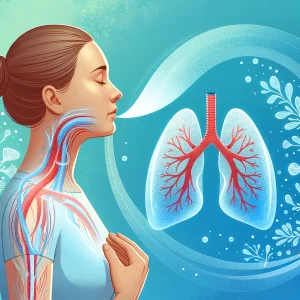
Meditation and Physical Health
Meditation is more than just a mental exercise; it’s a holistic tool that can profoundly impact physical health. As we navigate the complexities of chronic disease management, integrating meditation into traditional medical treatments offers a promising pathway to enhance overall well-being and resilience. Let’s explore the scientific underpinnings and practical implications of this ancient practice.

Lowering Blood Pressure: A Heart-Healthy Practice
Meditation’s influence on cardiovascular health is significant, particularly in lowering blood pressure. Studies have consistently shown that regular meditation practice can lead to reductions in blood pressure levels, benefiting heart health and reducing the risk of heart disease. This is not just a minor health tweak but a potential game-changer in the management of cardiovascular conditions.
Boosting the Immune System: Strength from Within
The power of meditation extends to the immune system, with research indicating that mindfulness meditation can induce measurable changes in brain and immune function. A notable study documented increased antibody production following an 8-week mindfulness-based stress reduction (MBSR) program, underscoring meditation’s role in bolstering the body’s defense mechanisms.
Reducing Chronic Pain: A New Paradigm in Pain Management
Chronic pain is a pervasive issue that often eludes conventional medical solutions. Meditation, particularly mindfulness meditation, has been shown to significantly lower pain severity and enhance pain coping abilities. This suggests that meditation can be an integral part of a holistic pain management strategy, providing a natural and effective alternative to traditional pain relief methods.

The Holistic Impact: Meditation as a Multi-faceted Health Enhancer
Meditation’s holistic impact on health is well-documented, with studies revealing improvements in physical, psychological, social, and environmental domains of quality of life. For instance, research published in the International Journal of Medical and Biomedical Studies highlighted that participants in Raja Yoga meditation experienced significant improvements across all these domains, illustrating the comprehensive benefits of regular meditation practice.
Conclusion: Embracing Meditation for Physical Health
Meditation offers a powerful, natural remedy for managing chronic diseases and enhancing physical health. By lowering blood pressure, boosting the immune system, reducing chronic pain, and improving overall quality of life, meditation can play a crucial role in holistic health care. As we continue to uncover the extensive benefits of this ancient practice, integrating meditation into daily life emerges as a key strategy in the pursuit of health and well-being.
In conclusion, meditation is not just a supplementary practice but a foundational component of holistic health care. Its potential to transform the physical aspects of our lives is immense, offering a pathway to better health that aligns with the body’s natural rhythms and healing capabilities. So, whether you’re dealing with chronic illness or striving for optimal health, consider meditation as your ally in the journey toward physical and holistic wellness.
Sources
Breatheology: The Art of Conscious Breathing from Stig Severinsen (p. 71, p. 197 and pp. 251-252)