Embarking on a fasting journey is akin to setting sail on a vast ocean of health and wellness. Yet, as with any great voyage, the return to port — or in this case, to regular eating — demands as much care and attention as the journey itself.
Breaking a fast, particularly for women over 40, is a delicate dance of reintroducing foods in a way that maximizes health benefits while avoiding the choppy waters of digestive distress.

The Gentle Reawakening
Imagine your digestive system as a sleeping giant. After a period of fasting, it’s in a state of restful slumber.
Abruptly introducing complex or heavy foods can be like a blaring alarm clock — jarring and potentially disruptive.
The key is a gentle awakening.
Start with easily digestible foods that gently signal to your digestive system that it’s time to wake up. Think of it as a soft sunrise, coaxing your body into activity.
First Foods to Welcome Back
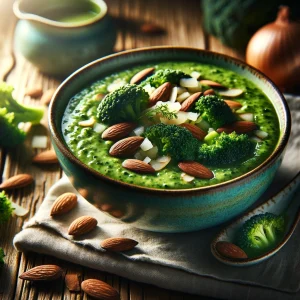
- Broths and Soups: Light vegetable broths or soups are perfect starters. They’re hydrating, nourishing, and easy on the digestive system, providing a soothing transition back to solid foods.
- Cooked Vegetables: Soft, cooked vegetables such as carrots, zucchini, and spinach offer essential nutrients without overwhelming the digestive tract.
- Fermented Foods: A small serving of fermented foods like kefir, yogurt, or sauerkraut can reintroduce beneficial bacteria to the gut, aiding in digestion and absorption.
- Fruits: Soft fruits like bananas, papayas, and avocados are packed with vitamins and are gentle on the system. They can satisfy the sweet tooth without spiking blood sugar levels.
Pacing is Paramount
Patience is a virtue, especially when breaking a fast. Rushing the process can lead to digestive issues such as bloating, discomfort, or even nausea.
Start small, with portions no larger than the palm of your hand, and gradually increase the size and complexity of meals over several days.
This gradual reintroduction respects your body’s pace, allowing it to adjust without stress.
Mindful Eating: Savor the Return
Mindfulness is not just for meditation. Applying mindfulness to breaking a fast can enhance the refeeding process, making it a nourishing experience for body and soul.
Eat slowly, chew thoroughly, and really taste your food. This practice not only aids digestion but also rebuilds your relationship with food, turning each meal into a moment of gratitude and appreciation.
For the Fabulous Over 40
For women navigating the complexities of mid-life, breaking a fast with care is even more crucial.
Hormonal changes and shifts in metabolic rate mean that our bodies may respond differently to foods than they did in our younger years.
By choosing nutrient-dense, easily digestible foods and practicing mindful eating, we can support our bodies in reaping the full benefits of fasting, from improved energy levels to better digestive health.
In Conclusion
As we conclude our fasting journey and reintroduce foods, remember that this phase is as integral to the process as the fast itself. By approaching the breaking of a fast with intention, care, and a bit of culinary finesse (a hint of that French savoir-faire, perhaps), we can ensure a smooth transition back to regular eating.
This careful, considered approach not only maximizes the health benefits of fasting but also sets the stage for a healthier, more mindful relationship with food. Bon appétit!