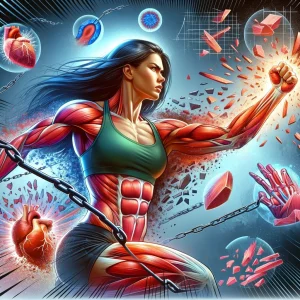
Mastering the art of balance in the body’s systems is not just a health strategy. It’s a life-changing philosophy. To achieve peak performance and well-being, understanding the interplay between homeostasis, hormesis, and the catabolic and anabolic states is key. This comprehensive approach ensures effective rest, recovery, and optimal functioning of various bodily systems.

Interconnected Systems: The Foundation of Well-Being
The body’s systems are intricately connected, each playing a vital role in maintaining health. The sleep-wake cycle, digestive system, and brain’s stress response are core components of this interconnected network. They don’t just work independently. They influence and regulate each other, contributing to the overall state of homeostasis and hormesis. For example, poor sleep can disrupt digestive functions and amplify stress responses, indicating the need for a balanced approach to health.
Sleep-Wake Cycle: The Cornerstone of Recovery
Quality sleep is the cornerstone of effective rest and recovery. It’s during sleep that the body engages in anabolic processes, repairing and growing tissues, and clearing out waste products, aligning perfectly with the principles of hormesis and homeostasis. Implementing good sleep hygiene practices, like maintaining a consistent sleep schedule and creating a restful environment, supports this natural rhythm, enhancing both physical and mental recovery.
Digestive System: The Fuel for Restoration

The digestive system is another critical player in the body’s balance. It’s not just about what you eat but how your body processes and utilizes this fuel. Balanced nutrition supports both catabolic and anabolic activities, providing energy for breakdown processes and nutrients for rebuilding and restoration. A diet rich in whole foods, lean proteins, healthy fats, and complex carbohydrates can optimize these processes, promoting efficient energy use and tissue repair.
Stress Response: The Hormonal Balancer
The brain’s stress response, mediated by hormones like cortisol and testosterone, plays a pivotal role in maintaining balance. Cortisol spikes during catabolic activities, facilitating the breakdown of substances for energy. In contrast, testosterone promotes anabolic processes, aiding in muscle repair and growth. Managing these hormonal levels through lifestyle choices is crucial for sustaining the balance between breakdown and rebuilding, ensuring overall health and recovery.
Restorative Practices: The Path to Equilibrium
Incorporating restorative practices such as meditation, yoga, and balanced nutrition is essential for maintaining equilibrium. These activities support the body’s natural repair mechanisms and contribute to the effective management of stress and recovery. Meditation and yoga, for instance, can enhance the body’s hormetic response, improving resilience and adaptive capacity.

Crafting a Holistic Routine
Creating a holistic routine that encompasses sleep, nutrition, exercise, and stress management is essential for peak performance. This routine should reflect the principles of homeostasis and hormesis, balancing rest and activity to optimize the body’s natural cycles of breakdown and repair.
In conclusion
Navigating the systems of restoration requires a balanced and integrated approach, respecting the body’s inherent wisdom in maintaining equilibrium. By understanding and applying the concepts of homeostasis, hormesis, and the catabolic and anabolic states, you can create a lifestyle that supports sustained health, peak performance, and overall well-being. Embrace the art of balance, and watch as your body and mind thrive in harmony.
Sources
Homeostasis: Learn how organisms maintain homeostasis, or a stable internal environment