In the culinary world of fitness, High-Intensity Interval Training (HIIT) is the sizzling flash-fry technique that promises golden, crispy results in a fraction of the time.
Yet, just as every gourmet chef knows the importance of letting a dish rest to enhance its flavors, so too must we recognize the critical role of rest and recovery in our HIIT regimen. Without this essential ingredient, the risk of burning out is as high as a soufflé in an oven that’s too hot.
Let’s explore how to perfectly balance the intensity of HIIT with the art of rest, ensuring our fitness journey is both sustainable and savory.

Understanding Recovery: The Secret Sauce
Recovery is not merely a break in the action; it’s an active component of your fitness routine.
It’s the time when your muscles repair, grow stronger, and adapt to the demands you’ve placed on them, much like allowing a fine wine to age, developing depth and complexity. This period is crucial for preventing injury, avoiding burnout, and ensuring continuous progress.
Strategies for Optimizing Recovery Periods
1 – Cool Down and Stretch
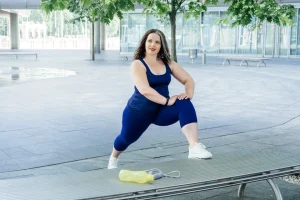
Imagine finishing a vigorous HIIT session and then abruptly stopping, like taking a simmering pot off the stove without letting it cool.
A proper cool-down phase, followed by stretching, gradually lowers your heart rate and helps to begin the recovery process gently. It’s akin to letting a dish rest to integrate all its flavors fully.
2 – Hydration and Nutrition
Replenishing fluids and nutrients after a HIIT workout is as crucial as seasoning a dish.
Water helps to flush out toxins and support metabolic processes, while a balanced intake of macronutrients and micronutrients aids in muscle repair and energy replenishment.
Think of it as the body’s way of marinating, absorbing all the good stuff to come back even tastier.
3 – Quality Sleep
Sleep is the sous-chef of recovery, doing half the work behind the scenes. During sleep, growth hormone levels peak, facilitating muscle repair and growth.
Ensuring 7-9 hours of quality sleep is like letting a dough rise undisturbed—essential for the best results.
4 – Active Recovery
On off days, consider light activities such as walking, yoga, or swimming.
It’s the culinary equivalent of simmering on low heat, allowing flavors to meld without overcooking. This gentle movement enhances circulation, helping to alleviate muscle stiffness and promote healing.
5 – Listen to Your Body
The most important recovery strategy is to listen to your body’s cues. If you’re feeling unusually fatigued, sore, or not fully recovered, it might be time to take an extra rest day.
It’s like tasting a dish as you cook; adjust according to what’s needed, not just what the recipe prescribes.
The Balance: HIIT and Rest
Balancing HIIT with adequate rest and recovery is like crafting the perfect menu, where each course complements the next, and the pace of the meal allows for savoring every bite.
This balance ensures that you can enjoy the full benefits of HIIT—improved cardiovascular health, increased strength and endurance, and fat loss—without the risk of injury or burnout.
Conclusion: The Art of Rest in HIIT
Incorporating rest and recovery into your HIIT regimen is not just a suggestion; it’s a critical component of a balanced fitness routine.
Just as a well-rested dough yields the fluffiest bread, a well-rested body achieves the most remarkable fitness gains.
By honoring the role of recovery, you ensure that your HIIT journey is not only effective but also enjoyable and sustainable over the long term.
So, as we push our limits with each workout, let’s also embrace the art of rest, allowing our bodies to recuperate and flourish, much like the dishes we lovingly prepare and savor. Bonne récupération!
Sources
The Moderating Role of Recovery Durations in High-Intensity Interval-Training Protocols